Celebrating Plant-Based Food for Earth Day 2026
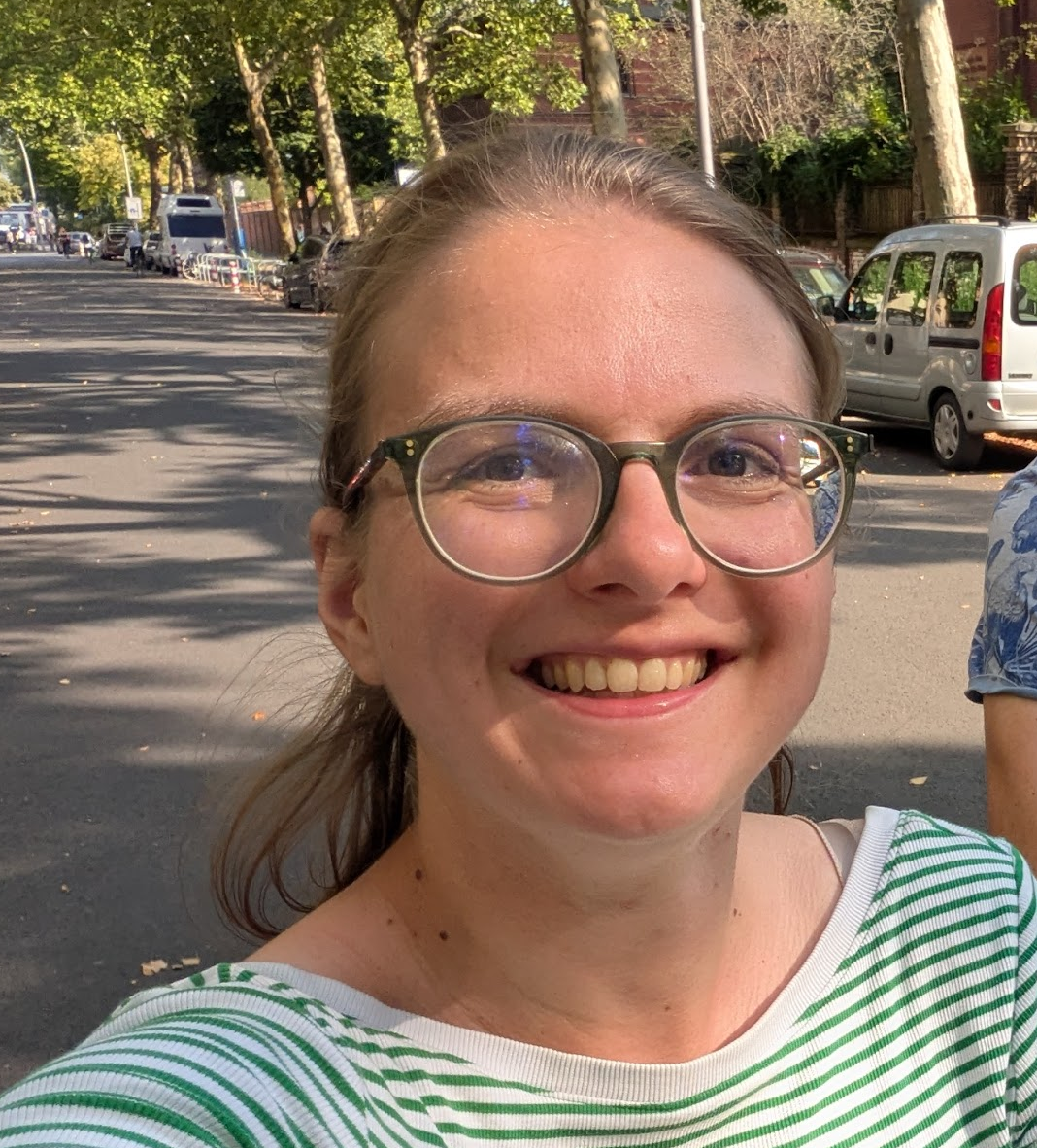
With Earth Day coming up, my local museum organised a special event this weekend for people to learn about taking climate action. I was invited by the museum to join the event with a stand on eating plant-based.
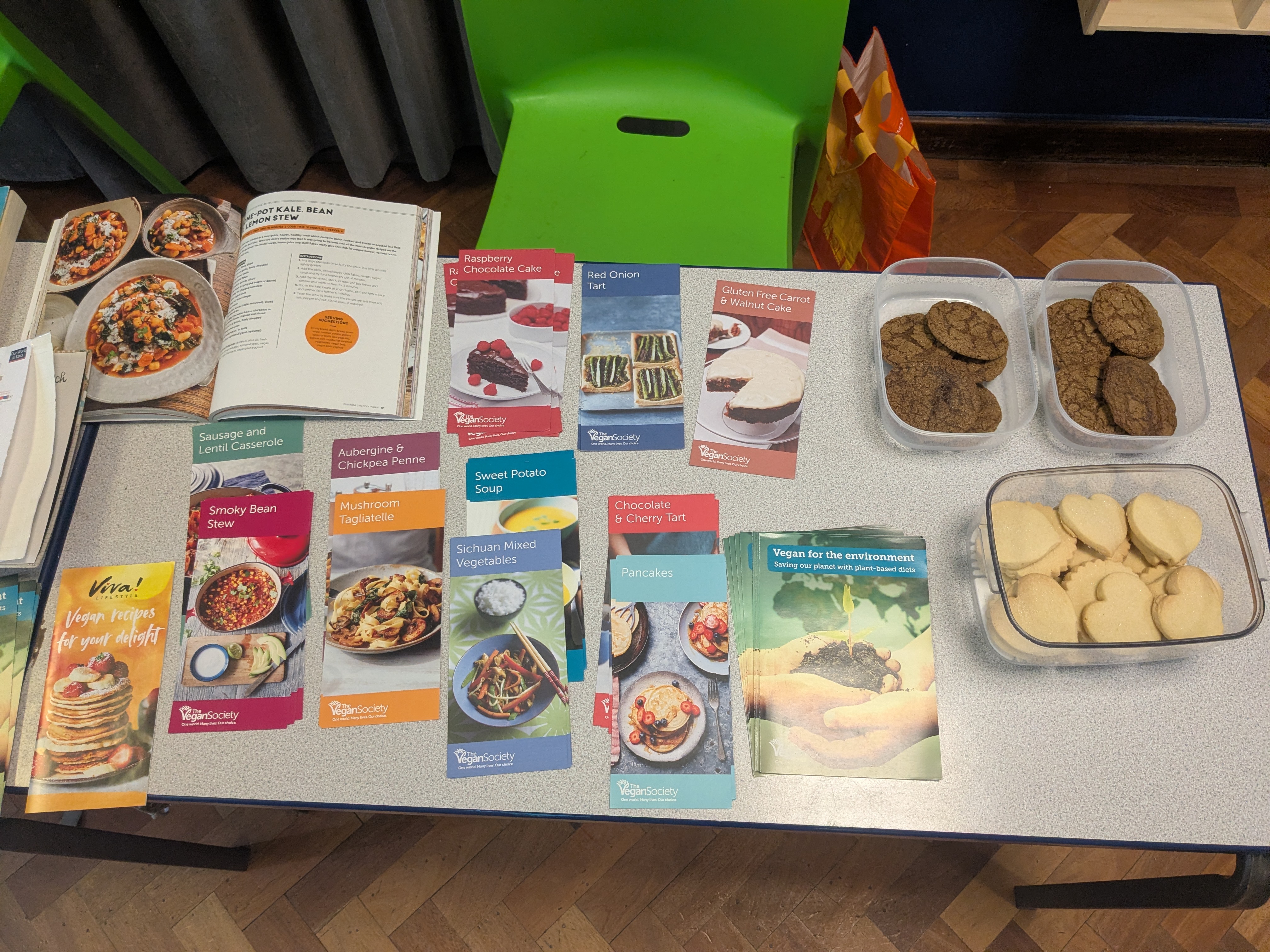
Showcasing plant-based food My friend’s sister had offered to bake some plant-based shortbread and American-style cookies. They became a real draw for people to come over and learn more about eating plant-based for the environment.
Next to the home-baked goodness, I had laid out leaflets from The Vegan Society which included dozens of different recipe cards and information booklets about eating plant-based. I had also brought along my Viva! Everyone can cook vegan cookbook, opened on the page which showed a delicious chili recipe.
Starting more in-depth conversations Then, while people were browsing recipes and munching on homebaked biscuits, I started the conversation about the environmental impact of different types of food. This included a game, designed by another friend for a previous event with Friends of the Earth, where I asked people to rank different foods from lowest to highest carbon footprint.
This was the point where people started to open up about their food choices. They talked about their own views, and their family’s views.
Food is a highly emotive topic. It’s culture. Traditions. A moment to socialise. Changing what we eat and cook can feel difficult for these reasons.
Yet it is also the most powerful climate action we can take. Three times a day we have a choice. A choice for our environment, personal health, and the animals. A choice of compassion.
So the conversations that followed were all positive. Most people had already reflected on what they eat and had started making some small changes. They were enthusiastic about the idea of trying more recipes and finding a new family favourite. Some people proudly shared how they had changed a traditional recipe with meat to be plant-based. And others welcomed some advice – what plant milk to use for breakfast cereals, how to fill out a curry or pasta sauce to make it more nourishing. Whether they could have the recipe of that delicious shortbread and was it really plant-based?!
The game also allowed for a conversation about what we eat being more important than where it comes from. People were asked to rank a range of British products – British beef, eggs, chicken, milk – against asparagus from Peru and bananas from South America. We also included some other plant-based products like nuts and seeds, and British potatoes. Everyone knew that British beef scored the highest but not everyone realised that bananas from South America are one of the lowest impact foods. There was still a belief that eating food that is locally produced is better for the environment. But that belief started to change after just a short conversation.
In conclusion The museum was grateful for our contribution and already thinking about future events. And a local Council officer took a large stash of information booklets with them to share with the Council’s Climate Champions.
People left with a refreshed idea of what eating plant-based looks like. It is as delicious as your traditional shortbread. They took a pile of recipe cards home, and could feel reassured that they can continue to eat family favourite meals with just a few simple tweaks.
The day showed that change starts with you. A ripple effect will follow.